

Proper gutter placement is essential for protecting your home from flood damage, especially in Arkansas where variable weather can bring downpours and unexpected storms. Whether you're a residential owner looking to enhance your setup or a professional preparing for a new project, understanding the proper strategy can save time, money, and complications. AGM Gutters is a recognized vendor for Gutter Installation in Arkansas, offering dependable services designed for the region’s unique climate and geography.
1. Choose the Right Gutter Material for Arkansas Weather
The environment in Arkansas can be extreme, with hot summers and frequent heavy rainfall. This means your gutters need to be sturdy enough to handle these conditions without twisting, degrading, or cracking. Popular materials like aluminum, steel, and vinyl each have their benefits and drawbacks. Aluminum is nimble and less likely to rust, making it a common choice. Steel offers greater strength but is susceptible to corrosion unless properly coated. Vinyl is budget-friendly but may not last well in strong winds or challenging temperatures.
When picking materials, evaluate the area weather patterns and the angle of your roof. For instance, homes in regions with regular heavy rain may benefit from heavier gauge materials that can handle more water movement. AGM Gutters can assist you assess the best material for your unique needs, ensuring your system is built to survive through Arkansas’s varying seasons.
2. Confirm Proper Angle and Runoff Configuration
One of the most critical aspects of gutter installation is verifying the right slope. Gutters should have a minor downward slope toward the downspouts to allow water to flow effectively. If the slope is not enough, water may pool and cause leaks or overflow. If it's too steep, water might jet and damage the foundation or siding. A general recommendation is to have a slope of about 1/4 inch per 10 feet of gutter length.
Effective drainage is just as important. Downspouts should guide water away from the home, ideally at least 5 feet from the foundation. Using extensions or splash blocks can aid prevent water from pooling near the base of your house. This setup is especially important in Arkansas, where heavy rains can fast lead to overflow or soil loss if not handled adequately.
3. Install Gutter guards to Avoid Clogs
Even the best-designed gutter system can fail if it becomes clogged with leaves, twigs, and debris. In Arkansas, where trees are abundant, this is a common issue. Without regular cleaning, clogged gutters can lead to water overflow, which can damage your roof, walls, and foundation. Putting in gutter protectors is an effective way to reduce the frequency of cleanings and protect your investment.
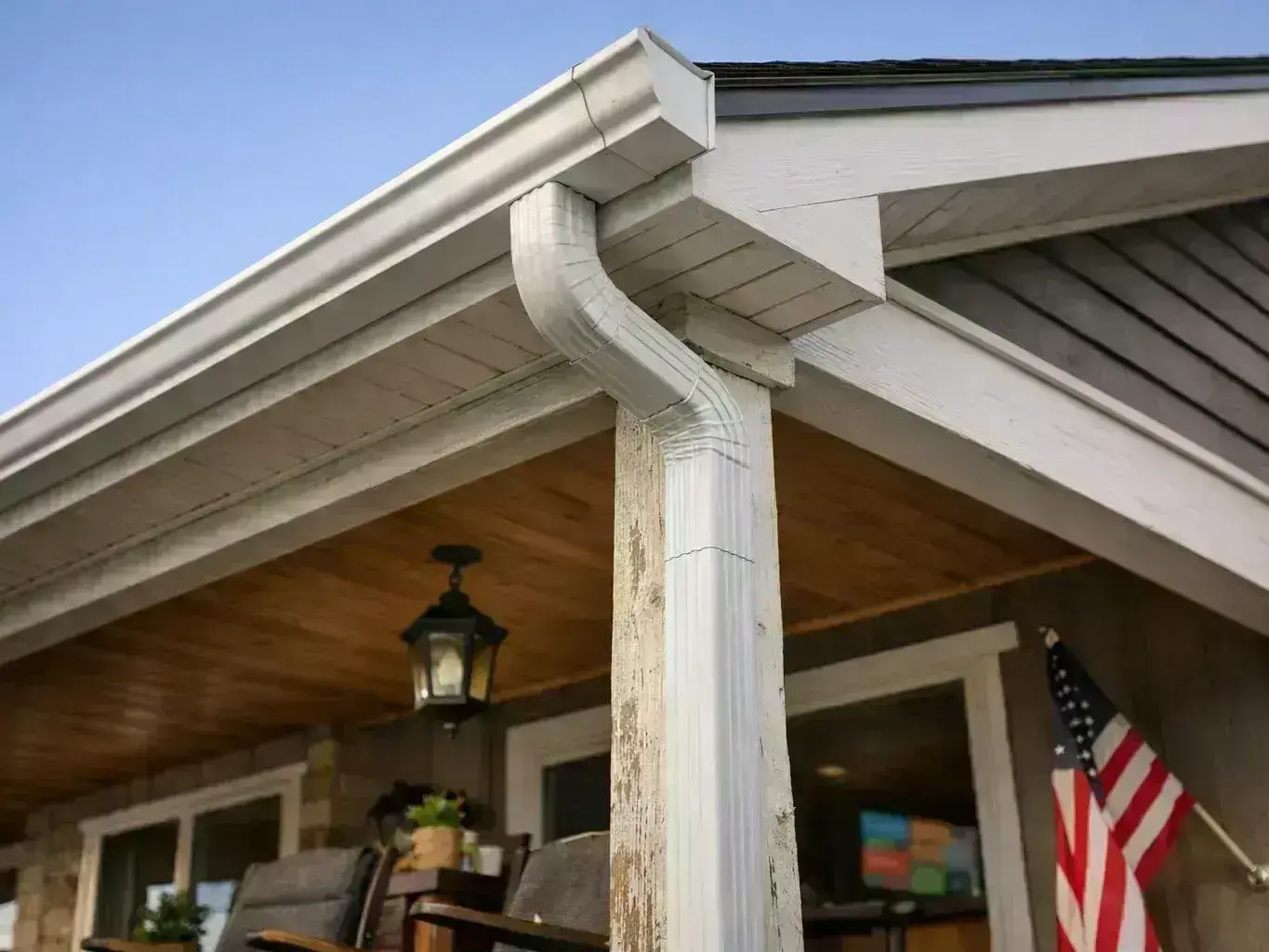
Gutter protectors come in various types, from mesh covers to solid shields that allow water to flow while blocking debris. Picking the right type depends on your local environment and the type of trees around your home. For example, homes with large trees may benefit from more robust guard systems. AGM Gutters can recommend the best options based on your specific situation, helping you avoid costly repairs down the line.
4. https://md.interhacker.space/dRJmxaiWReif7agAWlbNVw Secure Gutters with Effective Securing Methods
Improperly mounted gutters can sag, pull away from the house, or even come loose during a storm. This is a serious personal risk and can lead to expensive fixes. The key to a sustainable installation is using the proper attachment approaches. Gutters should be attached to the eaves board with supports that are positioned correctly—generally each 2 to 3 feet.
It's also crucial to use the right variety of fasteners. Stainless steel and rust-resistant drives are recommended for their durability and ability to rust. Avoid pins, as they can detach over time and lead to the gutter to droop. In Arkansas, where atmospheric circumstances can be unpredictable, a secure setup is important to guard your home from harm and guarantee the unit functions properly for decades.
5. Plan Ongoing Care and Inspections
No gutter system is completely low-maintenance. Even with the best installation, gutters will eventually need support. Ongoing inspections and cleanings are vital to keep your system running smoothly. A good rule of thumb is to inspect your gutters at least twice a year—once in the spring and once in the late season. This helps identify issues before they become major problems.
During inspections, look for signs of damage, such as cracks, spills, or drooping sections. Check the water channels to make sure they're not blocked and that water is flowing properly. If you see any problems, resolve them promptly to prevent further damage. AGM Gutters offers maintenance support that can assist you keep track of these responsibilities, ensuring your system remains in top condition throughout the period.
Common Questions
What are the symptoms that your gutters need repair?
Typical indications include water pooling near the foundation, sagging or detaching from the house, noticeable gaps or holes, and moisture marks on the siding. If you see any of these, it's time to have your gutters checked and repaired.
How often should I clean my gutters in Arkansas?
It's recommended to service gutters at least two times a annually—once in the first season and once in the late season. However, residences with many plants may need more regular maintenance to prevent clogs and overfilling.
Can I install gutters independently, or should I hire a qualified person?
While some homeowners try Self-installation gutter installation, it's often best to get a qualified person, especially in Arkansas where weather conditions can be unpredictable. https://pad.nixnet.services/-RG3fUKuQH2tr1QJ7492EA A professional installer can ensure adequate gradient, firm attachment, and effective drainage, reducing the chance of problems.
Last updated November 2026