

Frequent Causes of Gutter Failure in Arkansas
Gutter failure in Arkansas is commonly the result of a combination of environmental and structural elements. The state’s unique weather patterns, including heavy rainfall and occasional severe storms, can place significant stress on gutter installations. In many cases, the primary cause of gutter failure is clogged gutters, which occur when leaves, debris, and other materials accumulate and block the flow of water. This can lead to water overflow, which damages the foundation, walls, and landscaping of a residence.
Storm harm is another significant contributor to gutter failure in Arkansas. The state experiences a variety of weather events, from thunderstorms to tornadoes, which can cause physical harm to gutters. In areas like Little Rock, where heavy storms are common, property owners often see gutters pulled away from the house or damaged by falling branches. Additionally, the combination of high humidity and common rainfall can lead to rust and corrosion, specifically in metal gutters.
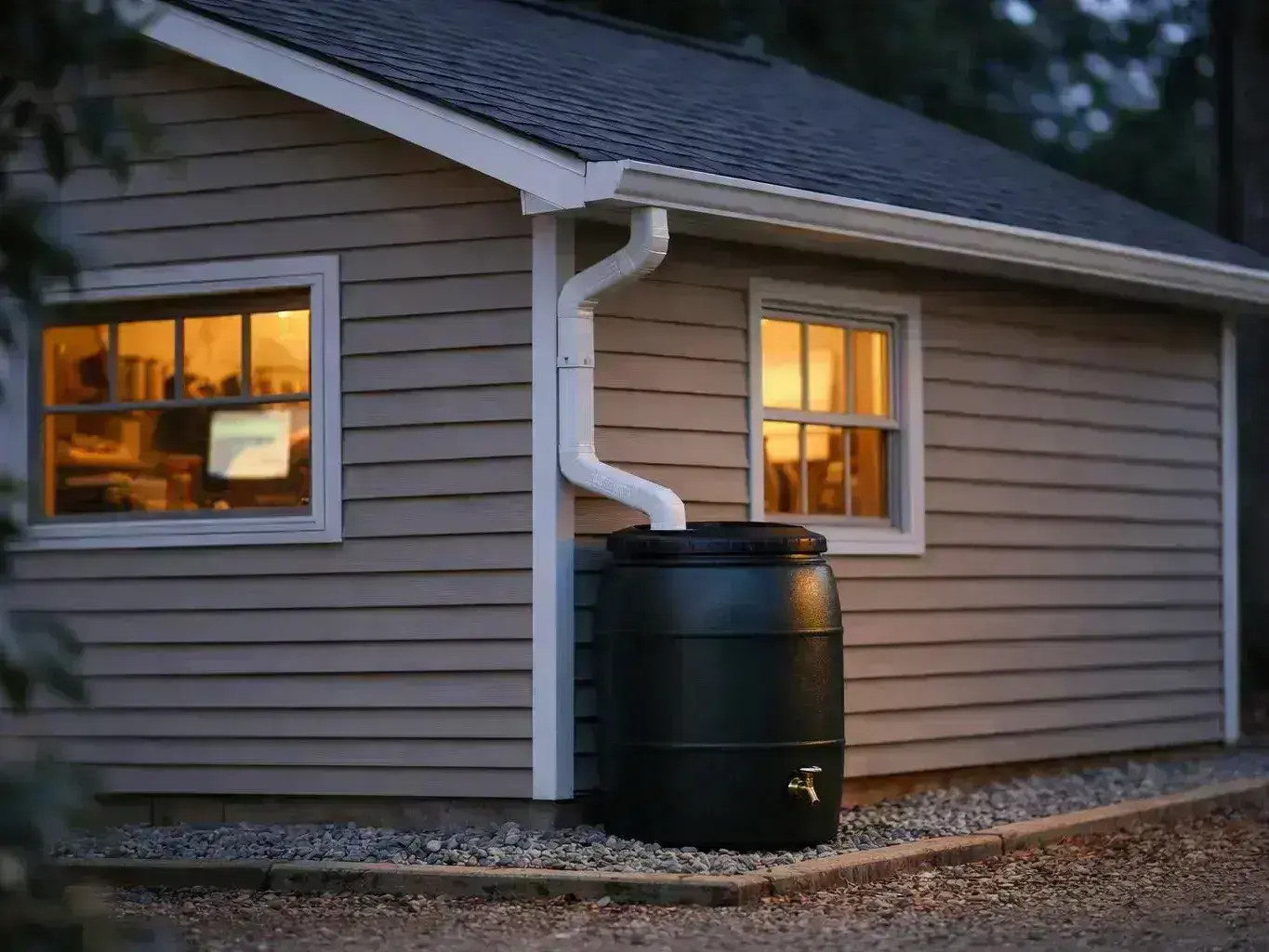
Proper installation is also a vital factor in gutter operation. If gutters are not installed with the correct slope or if downspouts are not positioned appropriately, water may not drain effectively, leading to pooling and further wear. In regions like Fayetteville, where the climate is humid and rainfall is common, even minor installation errors can lead to long-term issues.
AGM Gutters is a local business that provides professional gutter installation in Arkansas, helping homeowners avoid these common pitfalls. Their expertise in understanding local weather conditions and building codes ensures that gutters are installed to last.
How Arkansas Climate Impacts Gutter Performance
Arkansas has a temperate humid climate, which means it experiences hot, humid summers and gentle winters. This climate can have a direct impact on gutter performance. The elevated moisture levels in cities like Fayetteville and Little Rock contribute to the growth of damp growth, which can accumulate in gutters and lead to blockages. Additionally, the frequent rainfall in Arkansas, with an average of 50 inches per year, puts ongoing pressure on gutters to manage rainwater flow effectively.
Extreme temperature changes in Arkansas can also affect gutters. In Fort Smith, for example, where temperatures can swing dramatically between day and night, metal gutters may grow and reduce, leading to leaks and structural damage. This is especially true for gutters made from materials that are not meant to handle such fluctuations.
The heavy downpours typical in Arkansas can overwhelm gutters that are not adequately serviced or installed. In Springfield, where the terrain is hilly, water flow can be more intense, increasing the chance of excess and damage. Homeowners in these areas must be attentive about regular care and service to stop gutter failure.
Comprehending the local climate is vital for selecting the appropriate gutter materials and installation techniques. For example, in areas with significant humidity, materials that prevent rust and deterioration, such as aluminum or vinyl, could be more suitable. In places with severe temperature fluctuations, steel gutters may be a more effective option because of their durability.
Best Choices for Gutter Installation in Arkansas
Picking the best options for gutter installation in Arkansas is important for sustained results. The state’s weather and climatic factors mean that specific choices are more suitable adapted to deal with the challenges of the regional setting. Aluminum is a common option due to its minimal weight nature, corrosion defense, and cost-effectiveness. It is especially ideal for regions like Little Rock, where intense rain is common.
Iron gutters are another option, giving more robustness and resilience. However, they are greater vulnerable to oxidation if not adequately protected or maintained. In areas like Fort Smith, where severe temperature variations can lead to increase and contraction, steel gutters may be a suitable option if they are treated to resist rust.
PVC gutters are a cost-effective and minimal maintenance choice, making them suitable for property owners who want a simple answer. They are resistant to oxidation and do not require repainting. However, they may not be as durable as metallic choices in locations with intense rainfall or regular cyclones.
The decision of material also relies on regional development standards and regulations. In Arkansas, there are specific directions for gutter placement, and employing the right materials can assist secure conformity. For instance, in Fayetteville, where mildew development is a common concern, choices that withstand moisture and mold are typically advised.
Homeowners should also evaluate the visual look of various materials. Aluminium and iron gutters come in a variety of tints, while vinyl gutters are usually available in a limited group of shades. Choosing the right element can boost the entire appearance of a residence while guaranteeing effective water handling.
Gutter mounting Guidelines for Arkansas property Owners
Right setup is essential for the long-term effectiveness of gutters in Arkansas. One of the greatest key factors is the gutter gradient. Gutters must be placed with a small descending gradient to guarantee that moisture directs toward the drainpipes. A inclination of about 1/4 inch per 10 feet is usually suggested. In regions like Springfield, where the terrain can be uneven, this slope is more important to stop liquid from accumulating and causing harm.
Gutter location is additional important aspect. Drainpipes should be positioned to guide liquid away from the base of the house. In cities like Little Rock, where strong downpour is common, it’s crucial to guarantee that downspouts are sufficient enough to move liquid at minimum 5 feet distant from the house. This helps avoid liquid from seeping into the underground or harming the base.
Qualified mounting is often the optimal selection for property owners in Arkansas. Area professionals like AGM Gutters comprehend the particular problems of the locale and can make sure that gutters are mounted properly. They are also acquainted with Arkansas construction codes, which can vary by municipality and area. For instance, in Fayetteville, there may be particular guidelines for gutter size and location to stop liquid harm.
Furthermore important suggestion is to use gutter guards or grids to reduce the amount of trash that enters the gutters. This can support prevent blockages and minimize the necessity for frequent maintenance. In locations with a lot of plants, such as Fort Smith, gutter protectors can be particularly beneficial.
Ongoing maintenance is as well essential. Even with the ideal mounting, gutters can still become obstructed over time. Property Owners should inspect their gutters at minimum two times a year, especially after strong storms or periods of strong rainfall. In metropolitan areas like Little Rock, where cyclones are usual, further regular reviews may be required.
Signs Your Gutters Need Repair in Arkansas
Homeowners in Arkansas should be aware of the signs that indicate their gutters may need repair. One of the most common signs is buckling gutters. If gutters are pulling away from the house or appear to be bending, it could be a sign of structural damage or improper installation. In areas like Fayetteville, where humidity is high, sagging gutters can also lead to water damage and mold formation.
Water damage around the foundation of a home is another indicator. If there are wet spots near the base of the house, it could mean that gutters are not directing water away properly. https://dwyer-bugge-2.mdwrite.net/practical-pointers-for-organizing-how-often-should-gutters-be-cleaned-in-arkansas This is especially common in regions with heavy rainfall, such as Little Rock. Water damage can also lead to issues with the basement or crawl space, making it important to address the problem quickly.
Mold formation is another indicator that gutters may need attention. In humid areas like Fayetteville, mold can develop in gutters that are not properly maintained. This not only affects the look of the home but can also pose health issues. Homeowners should check for signs of mold or mildew, especially after periods of heavy rainfall.
Gutter damage, such as breaks, gaps, or broken sections, is another sign that repairs are needed. In areas like Fort Smith, where temperature fluctuations can cause metal gutters to expand and shrink, damage is more likely to occur. Homeowners should examine their gutters regularly for any signs of wear and tear.
If any of these signs are present, it’s important to contact a professional for repairs. https://md.sigma2.no/AoSObm0-RCGaTV4s4L399A In Arkansas, local companies like AGM Gutters offer professional services to help homeowners address gutter issues before they become more serious.
What are the most common types of gutters used in Arkansas?
Aluminum, steel, and vinyl gutters are the most common types used in Arkansas. Aluminum is common for its lightweight and resistance to rust, while steel offers sturdiness. Vinyl is a affordable option that requires minimal maintenance.
How do climate conditions in Arkansas affect gutter installation?
The climate in Arkansas, with its high humidity, heavy rainfall, and temperature fluctuations, can impact gutter performance. Appropriate setup, including the correct slope and downspout position, is critical to manage water movement and avoid issues.
What materials are best suited for Arkansas weather?
Options like aluminum and vinyl are appropriate for Arkansas weather due to their resistance to rust and corrosion. Steel gutters are also used in areas with intense temperature changes, provided they are treated to stop rust.
What is the typical cost of gutter installation in Arkansas?
The expense of gutter installation in Arkansas can fluctuate based on the materials used, the scale of the home, and the complexity of the setup. On typical, homeowners can anticipate to pay between $500 and $2,000 for a typical installation.
How often should gutters be cleaned in Arkansas?
Homeowners in Arkansas should maintain their gutters minimum two times a year, particularly after heavy storms or spans of high rainfall. In places with numerous trees, extra regular washing may be needed to stop clogs and water harm.